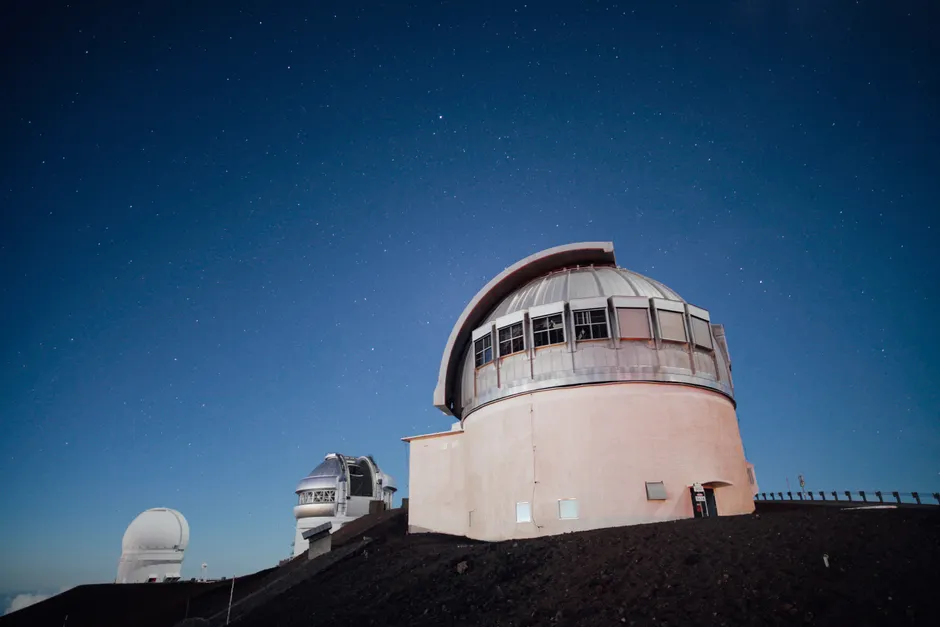
Vera C. Rubin Observatory Begins Decade-Long Sky Survey With 3,200-Megapixel Camera
The LSST began June 30 from a Chilean site, capturing roughly 1,000 images nightly from the largest digital camera in operation. Over ten years, each southern-sky point will be imaged 800 times, generating petabytes of time-series data designed for detecting transient events, tracking near-Earth objects, and constraining dark-energy models. The petabyte-scale structured dataset will likely become essential infrastructure for astronomical machine-learning pipelines.
Published